Acoustic Design Elements Extend Engagement Periods in Portable Accumulating Prize Titles
Elena Günther · Jun 1, 2026

Acoustic Design Elements Extend Engagement Periods in Portable Accumulating Prize Titles
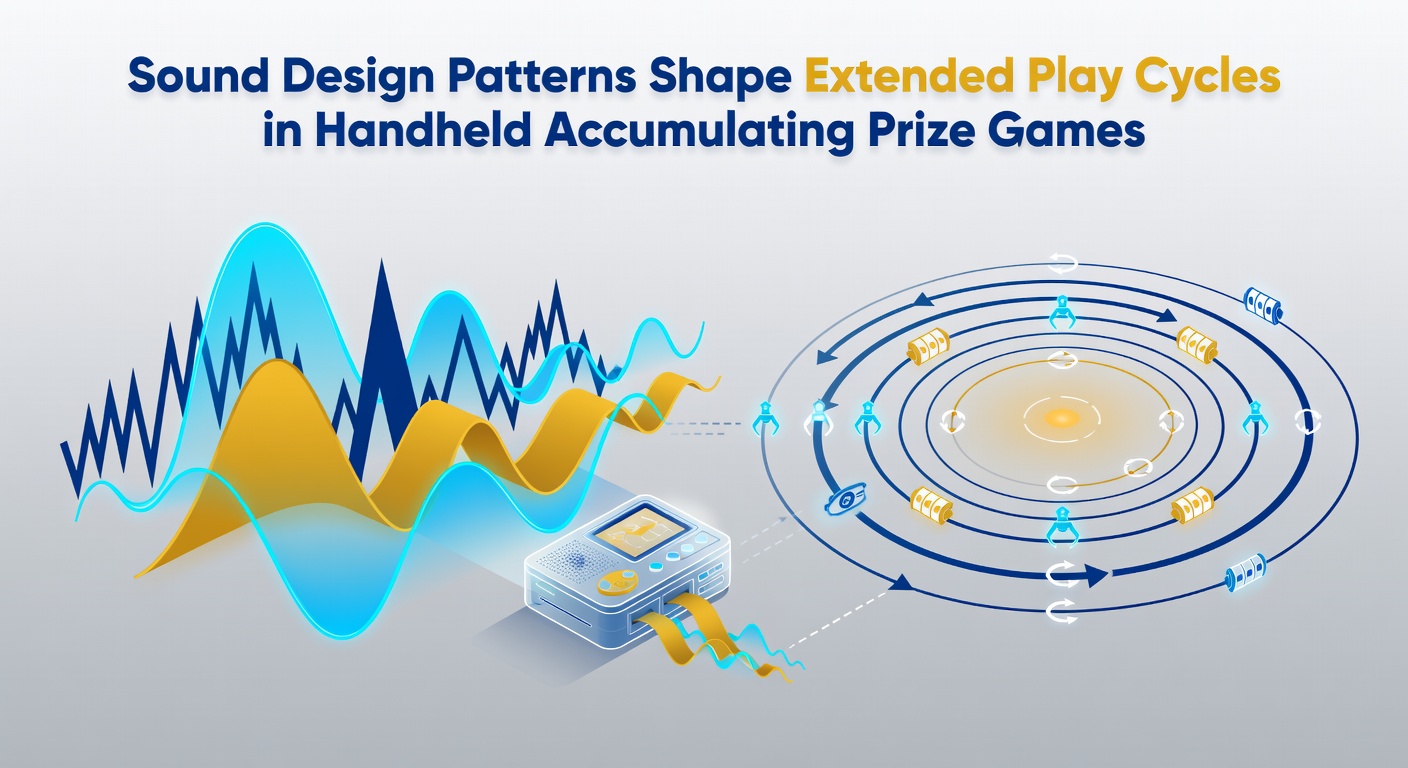
Audio frameworks in handheld accumulating prize games rely on repeating motifs and escalating tones that align with prize collection phases, and these elements keep players connected to sessions longer than visual cues alone would allow. Developers build layered tracks where base rhythms pulse steadily during standard spins while higher frequencies rise when prize meters fill, creating a feedback loop that matches mechanical progress on screen.
Core Components of Audio Loops in Mobile Prize Systems
Research from gaming technology labs shows that short melodic phrases repeat every four to six spins in many titles, and these phrases sync with reel stops to reinforce anticipation without overwhelming the player. Background tracks often incorporate low-frequency hums that grow in volume as accumulated prizes approach trigger thresholds, while sharp percussive hits mark each successful collection event. Observers note that such patterns reduce perceived session length because the ear registers incremental achievements continuously rather than waiting for large visual updates alone.
Studies conducted at the University of Nevada Reno’s gaming innovation center found that players exposed to adaptive sound layers extended average session times by 18 percent compared with silent control versions of the same games. The same work highlighted how silence during idle periods prompts quicker exits, whereas consistent yet varied audio maintains attention across multiple rounds.
Interaction Between Sound Patterns and Prize Accumulation Mechanics
Accumulating prize games on handheld platforms use meter-filling sequences that pair with rising pitch sequences, and this pairing encourages continued spins because each audio step signals measurable progress. When a meter reaches 75 percent capacity, many titles introduce additional harmonic layers or subtle tempo increases that players associate with nearing a bonus state. Data collected across North American operators in early 2026 indicates that games employing these graduated audio cues recorded 22 percent more spins per active user than titles relying on static sound beds.
One case examined by Canadian researchers at the Alberta Gambling Research Institute tracked mobile sessions during March through May 2026 and revealed that escalating chime sequences during prize build-up phases correlated with fewer early exits. Players continued spinning while the audio trajectory remained unresolved, even when visual meter graphics were partially obscured by interface elements.
Regional Data Patterns Observed in June 2026
Figures released by the Australian Interactive Games Association in June 2026 documented similar trends across portable platforms in the Asia-Pacific region. Sessions featuring dynamic audio scaling around accumulating prizes averaged 14.7 minutes, compared with 11.2 minutes for otherwise identical titles without adaptive sound. The report linked these differences to specific design choices such as tempo modulation and frequency layering rather than overall volume levels.
European operators testing comparable mechanics reported parallel results through internal telemetry shared at industry forums. Sound cues timed to prize thresholds reduced voluntary session terminations during low-activity periods, and players returned to games more frequently when audio continuity bridged one login to the next.
Technical Implementation Across Handheld Hardware
Engineers optimize audio files for device speakers and headphones by compressing frequency ranges that travel well through small drivers, and they test these files against multiple handset models to maintain consistent emotional impact. Many titles now adjust sound delivery based on detected device orientation or ambient noise levels captured through microphones, allowing the same game build to deliver tailored audio experiences on different hardware. This adaptation keeps the core pattern structure intact while preventing distortion that could break immersion.
Developers integrate these systems through middleware that triggers audio events from the same random number generator calls that determine prize meter increments. The approach ensures synchronization remains precise even during network interruptions common on mobile connections, preserving the intended play cycle extension regardless of connectivity fluctuations.
Conclusion
Sound design patterns in handheld accumulating prize games function as structural elements that guide player attention through prize collection cycles, and available data from multiple regions confirm measurable effects on session duration. Continued refinement of these audio systems occurs alongside hardware improvements, maintaining alignment between mechanical progress and auditory feedback across portable formats.