Cross-Platform Casino Dynamics: How Incentives Layer with Reel Systems
Morgan Walter · Jul 18, 2026
Cross-Platform Casino Dynamics: How Incentives Layer with Reel Systems
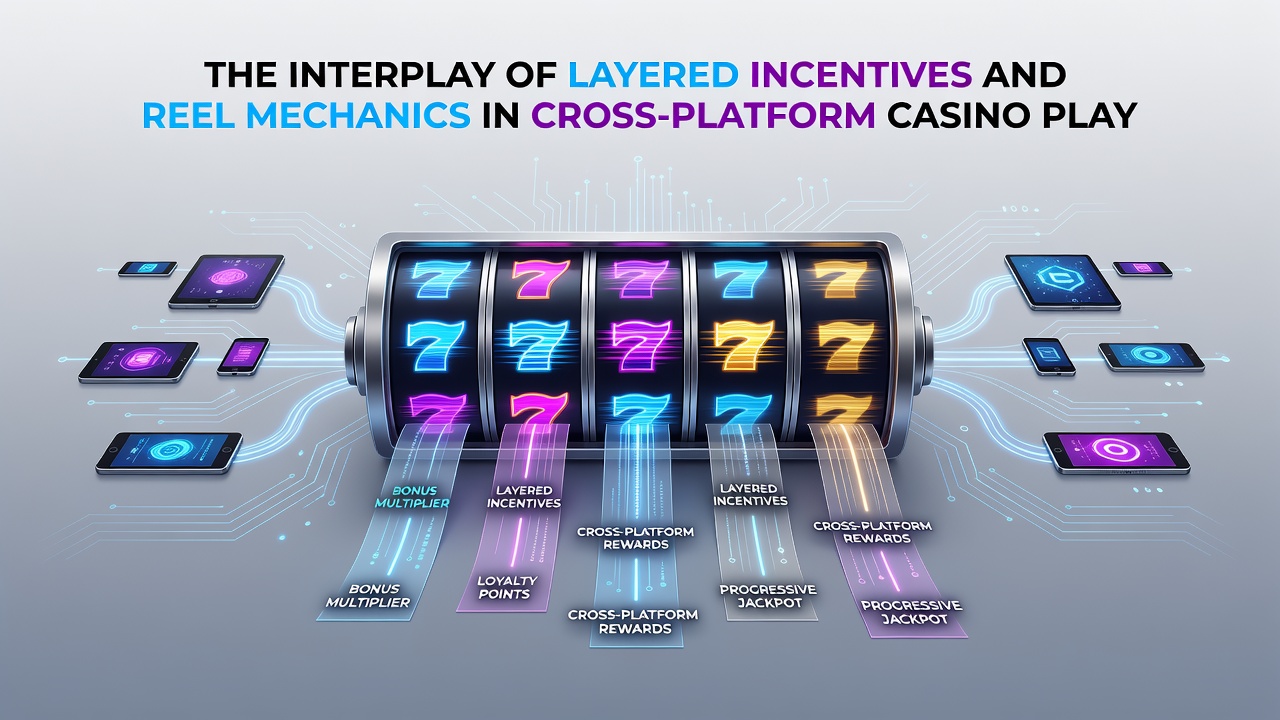
Data from industry tracking services shows that layered incentives such as loyalty tiers, deposit matches, and milestone rewards now integrate directly with reel mechanics including cascading symbols, expanding wilds, and progressive accumulators; this integration occurs across desktop, tablet, and smartphone interfaces simultaneously. Players move between devices while accumulated progress carries forward through synchronized accounts, allowing a single session to trigger multiple incentive layers at once. Observers note that this synchronization relies on backend systems that update reel states and bonus eligibility in real time, regardless of the access point chosen.
Core Components of Layered Incentives
Layered incentive structures combine immediate rewards with long-term progression systems, and these structures appear in most major casino platforms operating in regulated markets. Immediate rewards typically include free spin allotments or cashback percentages that activate after a set number of spins, whereas progression systems track total wager volume to unlock higher multiplier tiers or exclusive reel variants. Research from the University of Nevada, Las Vegas indicates that operators design these layers so each completed action advances both the current spin outcome and the overall account status.
Cross-device consistency requires that incentive progress persists when a player switches from a desktop browser to a mobile app, and this persistence depends on centralized player databases that log every reel event and reward claim. Operators achieve this through standardized APIs that push updates across platforms within seconds, preventing loss of streak bonuses or accumulator values during transitions.
Reel Mechanics and Their Functional Roles
Modern reel mechanics extend beyond static paylines to include dynamic features such as Megaways engines, cluster pays, and symbol transformation sequences, each of which interacts differently with incentive triggers. A cascading reel system, for instance, removes winning symbols and drops new ones into place, and operators often tie these cascades to additional free spin awards when certain thresholds are met. Data shows that these mechanics increase the frequency of small wins while creating opportunities for larger accumulations that align with progressive jackpot contributions.
Cross-platform implementations require that reel animations and outcome calculations remain identical whether rendered on a high-resolution monitor or a smaller touchscreen, and this uniformity prevents discrepancies that could affect incentive eligibility. Technical reports from gaming laboratories confirm that certified random number generators operate identically across device types, ensuring that the same reel mathematics apply everywhere.
Integration Patterns Observed in July 2026
As of July 2026, several platforms have introduced incentive mechanics that scale with reel complexity, such as multiplier ladders that grow taller after each successful cascade sequence. These ladders connect directly to loyalty point multipliers, so players receive accelerated progression when longer reel chains occur. Industry analyses reveal that such connections encourage extended play sessions across multiple devices without requiring separate login actions.
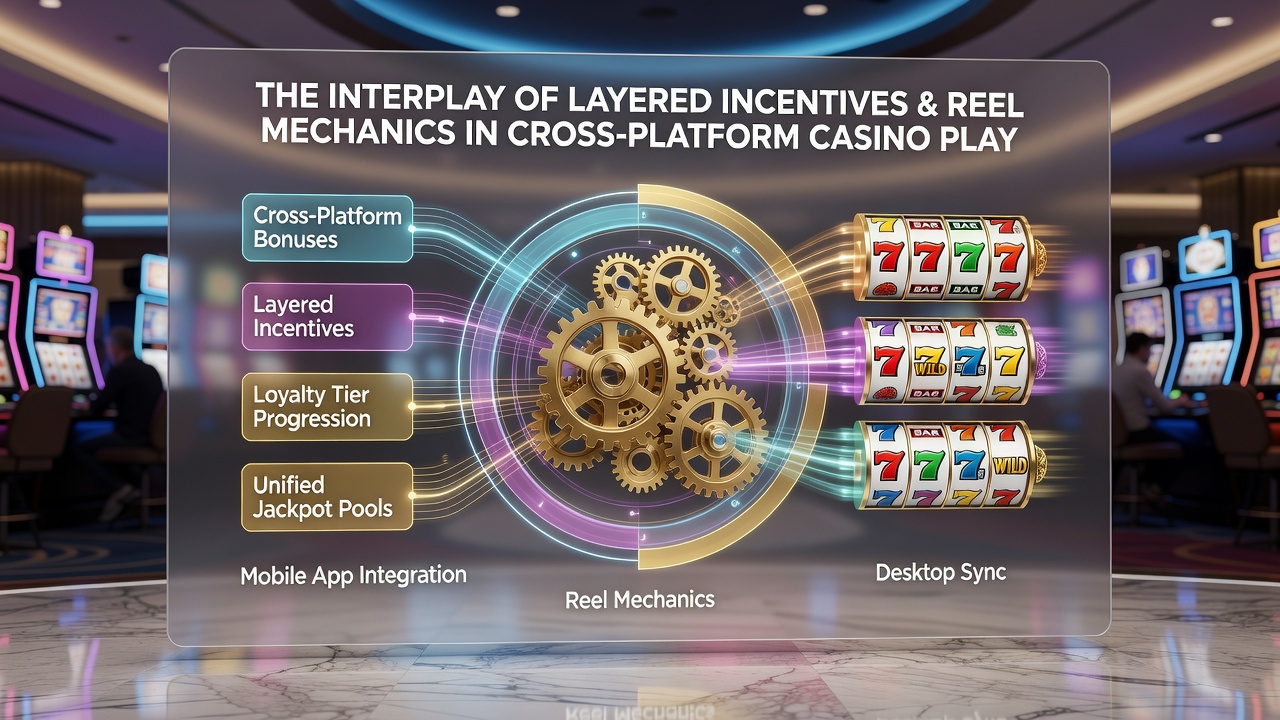
Operators also embed live event triggers within reel cycles, allowing a global jackpot drop to interrupt a standard spin sequence and award layered bonuses to participants on any connected device. This approach maintains engagement by linking reel outcomes to time-sensitive promotions that refresh daily or weekly.
Technical Synchronization Requirements
Seamless cross-platform operation demands low-latency data exchange between reel engines and incentive ledgers, and this exchange occurs through encrypted channels that update account states after every spin. When a player initiates a session on one device, the system loads the current incentive tier and any active reel modifiers from the central server before the first spin resolves. Subsequent device switches retrieve the updated state without resetting progress, preserving teh interplay between mechanics and rewards.
Security protocols require verification of each device at login, yet these checks do not interrupt the continuity of reel mechanics or layered incentives. Testing data from independent auditors shows that certified platforms maintain sub-second synchronization even during peak traffic periods.
Conclusion
The documented patterns of integration between layered incentives and reel mechanics demonstrate that cross-platform casino environments operate through tightly coupled systems that carry forward both reward progress and mechanical states. These systems rely on standardized certification processes and real-time data handling to deliver consistent experiences regardless of the device in use. Continued technical refinements in synchronization protocols support ongoing development of new incentive-reel combinations in regulated markets.