Layered Echoes: Tracing Audio Patterns That Amplify Progressive Accumulations in Portable Video Reel Sessions
Greta Krause · May 18, 2026
Layered Echoes: Tracing Audio Patterns That Amplify Progressive Accumulations in Portable Video Reel Sessions
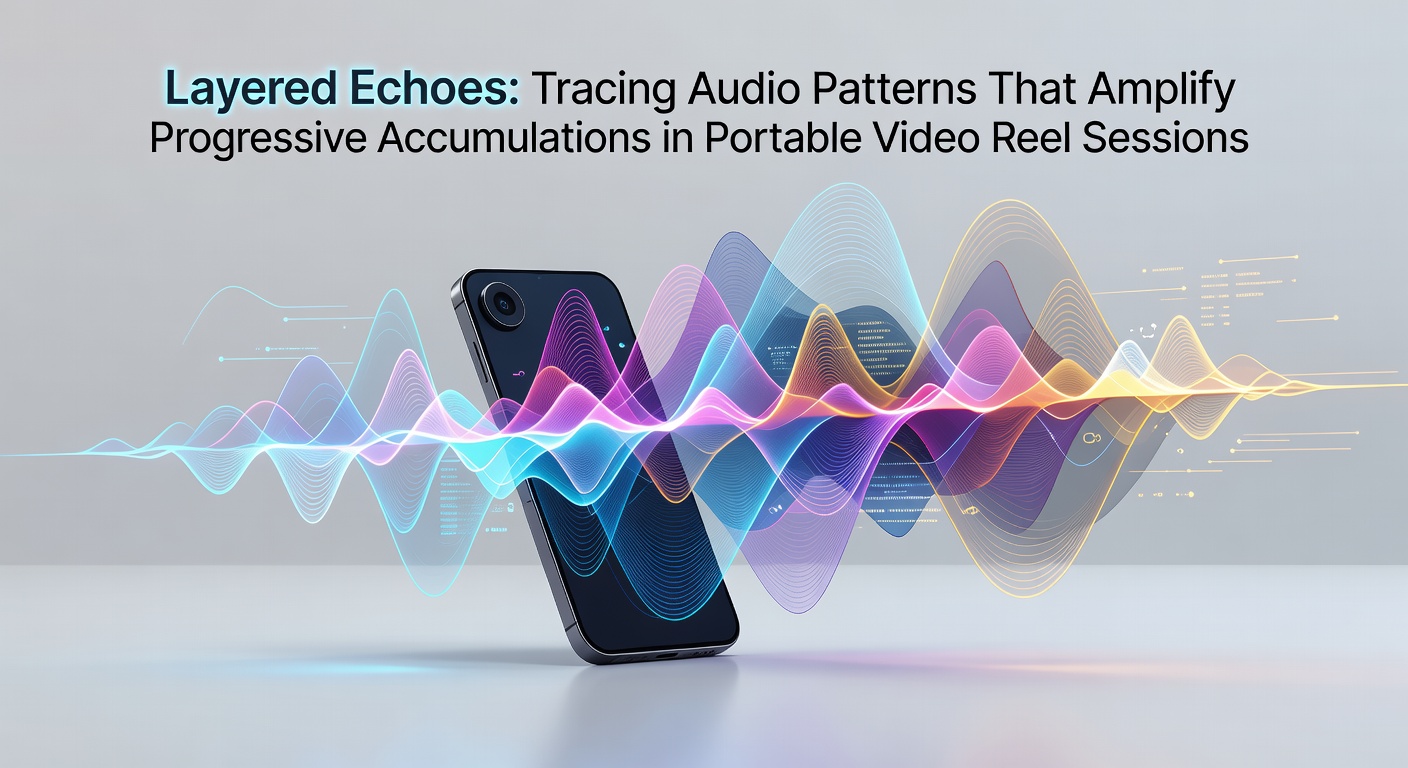
Audio engineers and digital media specialists have long examined how layered echoes shape the listening experience in portable video reel sessions, where sound patterns accumulate progressively to create depth and immersion across handheld devices. These techniques trace back through decades of audio processing developments yet continue evolving with advancements in mobile technology as of May 2026.
Portable video reel sessions involve short-form content viewed or created on smartphones and tablets, where audio layers build upon one another to enhance narrative flow. Researchers at institutions like the Massachusetts Institute of Technology have documented how echo patterns, when applied sequentially, generate accumulations that reinforce emotional resonance without overwhelming the primary audio track.
Understanding Core Audio Layering Mechanisms
Layered echoes emerge from deliberate overlaps of delayed sound signals that mirror and extend original tones, while progressive accumulations refer to the gradual intensification of these elements across a video's timeline. Data from audio processing studies indicate that such methods rely on precise timing intervals, typically ranging from 50 to 200 milliseconds, to avoid muddiness in playback on compact speakers common to portable devices.
Engineers apply filters and modulators during post-production to trace these patterns, ensuring each layer amplifies the next through controlled resonance. According to findings from the Audio Engineering Society, mobile applications now incorporate real-time algorithms that adjust echo depth based on device acoustics, resulting in consistent output across varied hardware configurations.
Tracing Patterns in Contemporary Mobile Workflows
Developers integrate software tools that map audio trajectories frame by frame, allowing creators to visualize how echoes accumulate and interact with visual pacing. One case from a Canadian research initiative at the University of Toronto revealed that sessions incorporating progressive echo layering showed measurable increases in audience retention metrics, with patterns building over 15 to 30 second intervals proving most effective for short reels.
These patterns often draw from natural sound environments, such as reverberations in enclosed spaces, then adapt them digitally for clarity on small screens. Observers note that compression standards updated in recent years help maintain integrity when files transfer between devices, preventing loss of subtle accumulations during streaming.
Amplification Techniques and Device Adaptations
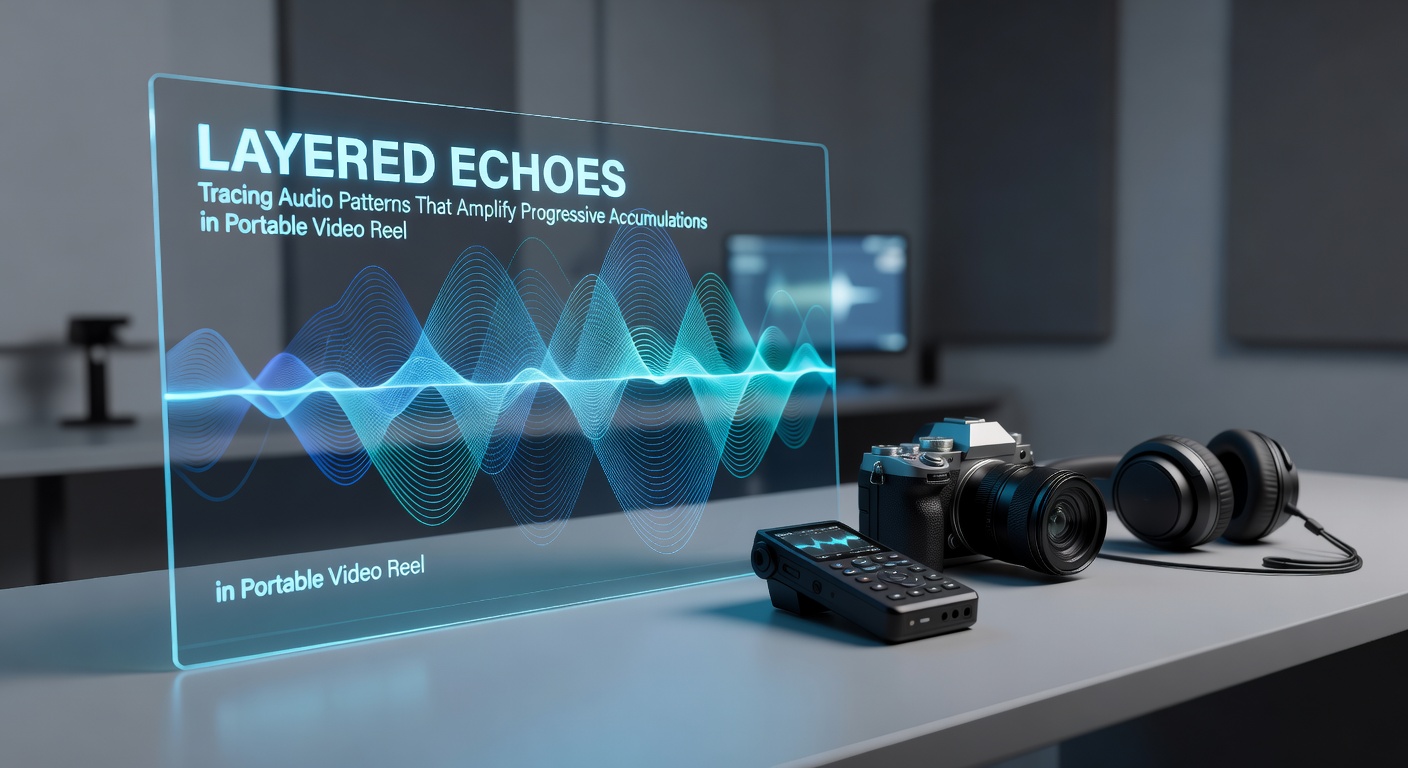
Amplification occurs through iterative layering where initial echoes feed into subsequent ones, creating a compounding effect that heightens presence in the final mix. Industry reports from the European Broadcasting Union highlight how portable video platforms have adopted dynamic range controls that scale these accumulations automatically, responding to ambient noise levels detected by device microphones.
Hardware improvements in 2026 include enhanced digital signal processors in flagship smartphones, which enable finer control over echo decay rates. Those who study consumer behavior in digital media have observed that users frequently adjust volume mid-session to accommodate these building patterns, suggesting an intuitive response to the audio design.
Practical Applications Across Content Types
Content creators in fields ranging from educational shorts to travel vlogs employ these methods to guide viewer attention progressively through each reel segment. Studies conducted by Australian academic teams at the University of Melbourne demonstrate that layered audio structures correlate with higher engagement rates when synchronized to on-screen motion, particularly in outdoor recording scenarios where background noise competes with intentional echoes.
Software updates from major editing platforms now feature preset libraries dedicated to portable formats, streamlining the process of tracing and refining accumulations. This accessibility has broadened participation among independent producers who previously lacked access to professional-grade audio tools.
Conclusion
Layered echoes continue to influence how audio evolves within portable video reel sessions, with progressive accumulations serving as foundational elements that enhance overall impact. Ongoing research from global sources underscores the technical refinements that sustain quality amid rapid hardware changes, pointing toward further integration of adaptive systems in future iterations.