Layered Pathways in Mobile Gaming: Fusing Reel Spins with Live Table Interactions
Greta Krause · Jun 18, 2026

Layered Pathways in Mobile Gaming: Fusing Reel Spins with Live Table Interactions
Portable gaming platforms continue to evolve through technical integrations that connect traditional reel mechanics with live table dynamics via structured bonus systems, and developers have refined these connections through software updates that layer rewards across different game formats. Data from industry tracking services shows increased adoption of hybrid mechanics where slot spins feed directly into live dealer sessions, creating continuous play cycles that maintain player engagement across mobile interfaces. Observers note that these systems rely on shared progression meters which accumulate value from both reel outcomes and table results, allowing users to unlock enhanced features without switching applications.
Core Mechanics of Reel and Table Integration
Reel-based games operate on random number generators that determine symbol alignments and trigger bonus events, whereas live table formats incorporate real-time dealer interactions and physical card or wheel outcomes, yet layered bonus pathways synchronize these by converting reel wins into table credits or multipliers. Research from the University of Nevada, Las Vegas Center for Gaming Research indicates that such synchronization uses API connections to transfer session data between modules, ensuring that a progressive bonus earned on reels can activate side bets or enhanced payouts during live blackjack or roulette rounds. In June 2026 several platforms rolled out updated frameworks that expanded these transfers to include multi-tiered reward ladders, where completing a set number of reel spins unlocks live table entry with pre-applied bonus stacks.
Those who've examined the code structures report that bonus pathways function through event listeners that monitor both RNG results and streamed table data, then apply conditional logic to distribute rewards accordingly. This approach maintains separate integrity checks for each component while presenting a unified player interface, and figures from North American operator reports reveal that retention rates rise when users experience seamless transitions between these formats.
Technical Implementation in Portable Environments
Mobile applications achieve these bridges through responsive design elements that adjust reel animations and live video feeds to smaller screens, while backend servers handle the layered bonus calculations in real time. According to a 2025 technical paper published by the Canadian Gaming Association, the pathways typically employ state machines that track player progress across game types, updating shared ledgers whenever a qualifying action occurs on either the reels or the tables. Developers incorporate touch-optimized controls that allow quick switches between spin interfaces and live streams without interrupting bonus accumulation, and this design reduces latency issues that previously disrupted cross-format play.
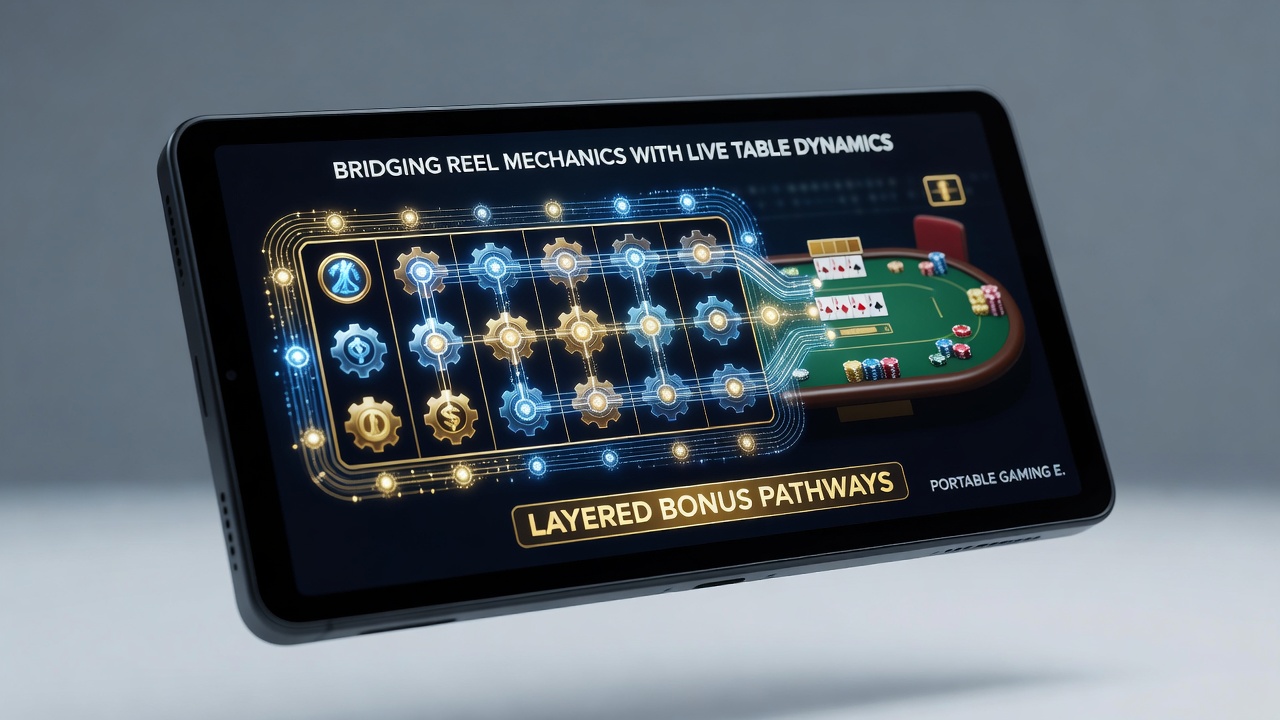
Portable environments further support these integrations with cloud-based processing that offloads heavy computations from the device itself, enabling consistent performance even on variable network connections. What's interesting is how the bonus layers adapt dynamically, scaling reward values based on combined activity metrics from both game categories rather than treating them as isolated experiences. Data collected by the Australian Institute of Gambling Research shows measurable increases in session duration when such adaptive systems are active, as players pursue unified objectives instead of separate goals.
Regulatory Considerations Across Regions
Gaming authorities in multiple jurisdictions have begun examining these hybrid systems to ensure compliance with existing standards for fairness and transparency. The Nevada Gaming Control Board published guidelines in early 2026 that address data synchronization between reel and live components, requiring operators to maintain audit logs that separate RNG events from dealer-determined outcomes while still allowing bonus pathway tracking. Similar reviews in other markets focus on player fund segregation during transitions, confirming that credits earned through reel mechanics remain distinct until deliberately converted via the bonus layers.
Industry associations such as the European Gaming and Betting Association have hosted discussions on standardizing API protocols for these integrations, aiming to reduce fragmentation across different platforms. Observers note that clear documentation of how bonuses activate and transfer helps maintain trust, particularly when live table elements involve real-time human participation alongside automated reel processes.
Player Experience Patterns and Platform Examples
Users encounter these layered systems through onboarding sequences that introduce the bonus connections gradually, often starting with simple reel-to-table credit transfers before advancing to more complex multiplier chains. Take one case from a European operator where completing five consecutive reel bonus rounds automatically grants a live table seat with an added streak multiplier, a feature that data logs indicate players activate repeatedly within single sessions. Platforms continue to refine notification systems that alert users when pathways reach new tiers, using in-app messages that appear without pausing ongoing play.
Those monitoring mobile analytics report that engagement metrics improve when bonus pathways include visual progress indicators shared across both reel and live sections. This design choice keeps the connection visible at all times, encouraging continued participation as accumulated values climb toward higher reward thresholds. In June 2026 updates, several titles expanded these indicators to include predictive elements showing potential table outcomes based on current reel progress, though actual results remain governed by their respective random processes.
Conclusion
Layered bonus pathways represent a technical evolution that links reel mechanics directly to live table dynamics within portable gaming setups, supported by synchronized data systems and responsive mobile interfaces. Evidence from regulatory reviews and research institutions demonstrates ongoing refinement of these connections, with emphasis on maintaining separate integrity for each game type while enabling unified progression. As platforms incorporate further updates, the focus remains on seamless transitions and clear tracking mechanisms that support cross-format play without compromising established standards.