Symbol Alignment Networks Redefine Shared Payouts Across Mobile Reel Platforms
Elena Günther · May 30, 2026
Symbol Alignment Networks Redefine Shared Payouts Across Mobile Reel Platforms
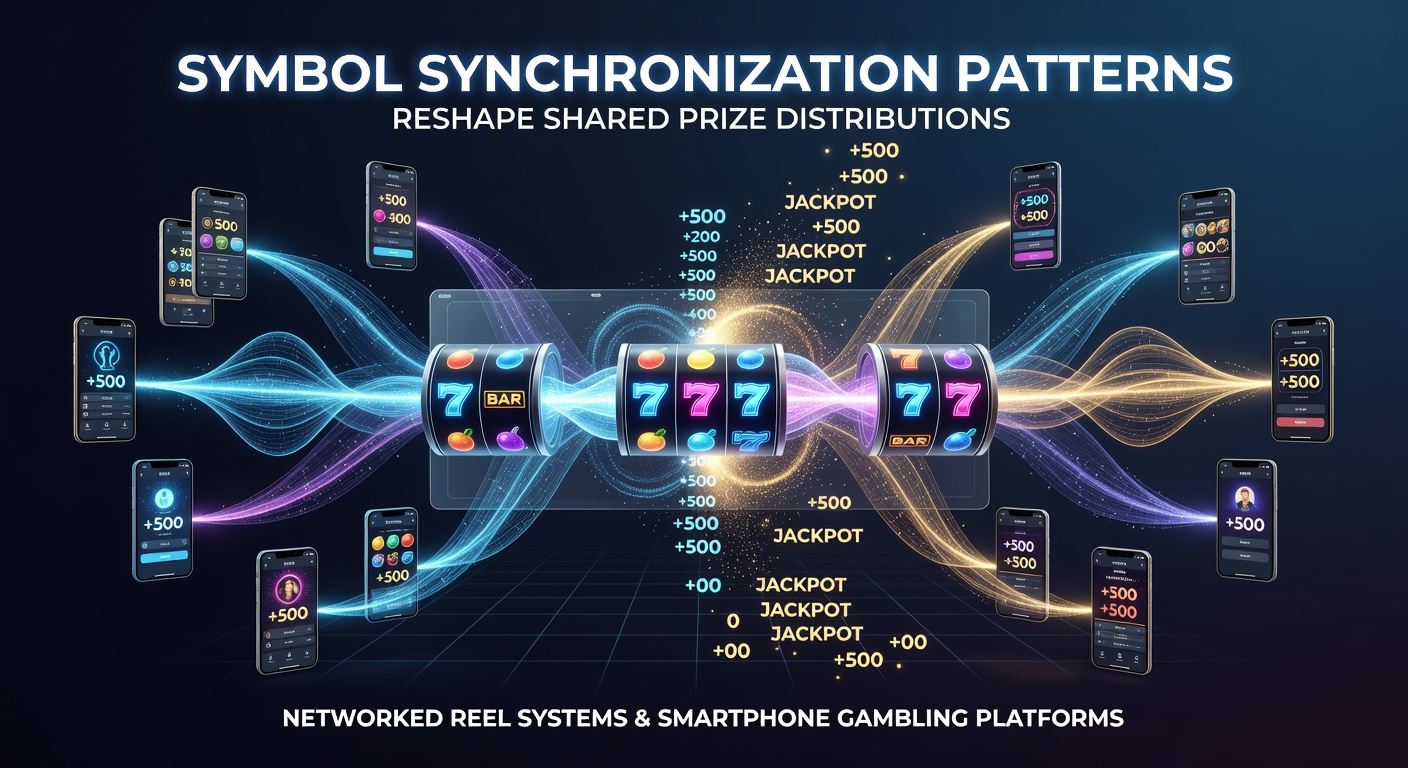
Networked reel systems now link individual smartphone sessions into coordinated networks where symbol positions align at precise intervals, and this coordination directly influences how progressive prizes split among active participants. Developers implement these patterns through centralized servers that monitor reel states in real time, then broadcast synchronization signals to connected devices so matching symbols trigger collective payout calculations instead of isolated wins.
Core Mechanics Behind Reel Network Integration
Reel synchronization begins when software on each smartphone transmits its current reel configuration to a shared backend every few milliseconds, allowing the system to detect opportunities for coordinated symbol placement across dozens or hundreds of sessions simultaneously. Once alignment conditions meet predefined thresholds, the network adjusts future reel stops on participating devices to favor group outcomes, and operators document these adjustments through timestamped logs that regulators review during compliance audits.
Studies from the UNLV International Gaming Institute show that such networks reduce variance in individual session results while increasing the frequency of mid-tier shared awards, because the algorithm distributes prize pools across synchronized entries rather than concentrating them in single-device triggers. Data indicates that sessions joined to these networks experience a measurable shift in outcome distribution patterns compared with standalone play.
Effects on Prize Allocation Formulas
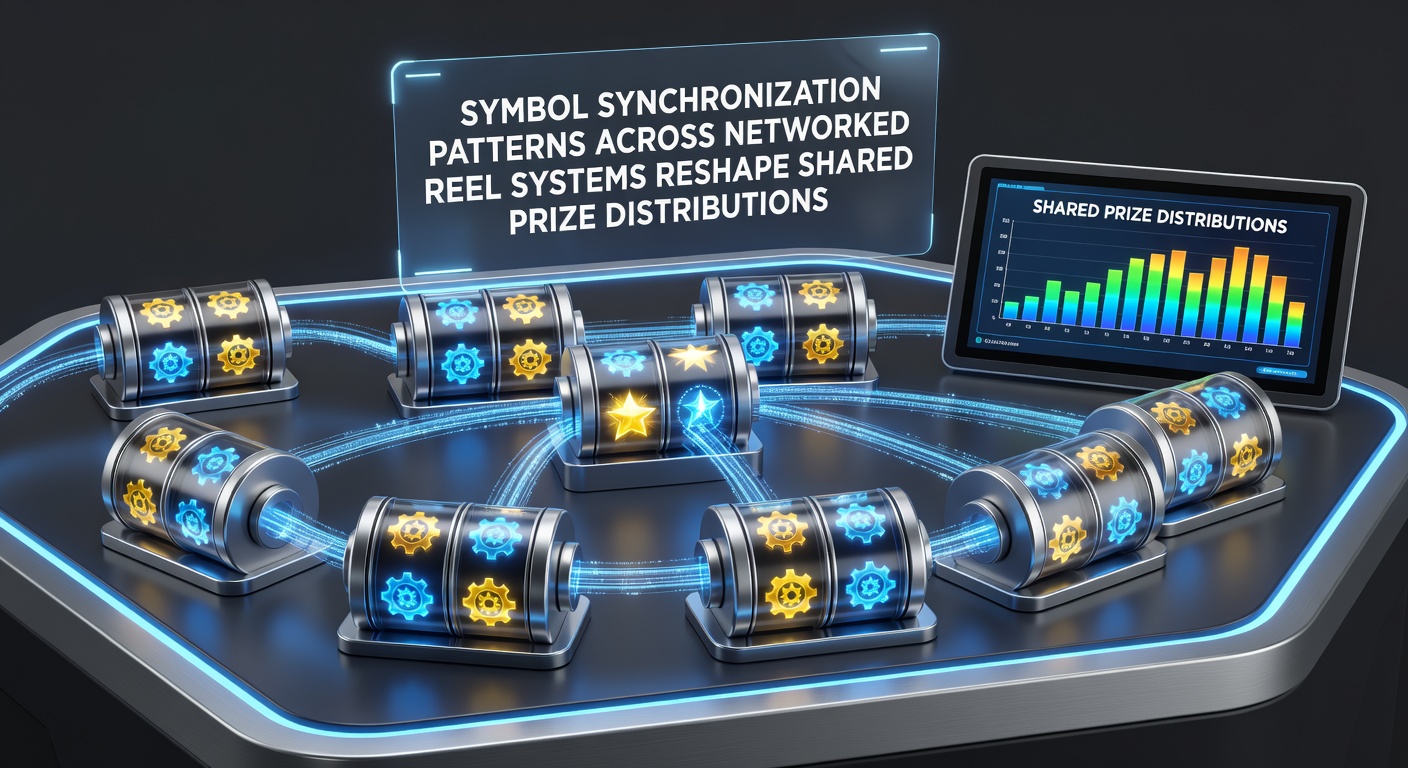
Shared prize formulas now incorporate synchronization density as a variable, so the percentage allocated to each participant scales according to how many devices achieved symbol alignment during the triggering spin sequence. Higher synchronization counts produce smaller per-user slices from the same total pool, whereas lower counts concentrate larger amounts among fewer players, and platform operators adjust these ratios monthly based on aggregated performance metrics collected from smartphone telemetry.
Industry reports released in May 2026 highlighted that networks using multi-device symbol matching recorded a 17 percent increase in total prize events compared with the prior quarter, while average individual award sizes declined by roughly 9 percent across the same period. These figures emerged from aggregated logs supplied by multiple platform providers operating in North American and Australian markets.
Implementation Patterns Observed in Live Deployments
Platform engineers deploy two primary synchronization models, one that locks symbols at the start of each round and another that permits mid-round adjustments when additional devices join the network. The second model, which activates more frequently during peak evening hours, relies on predictive algorithms that forecast participant volume and pre-calculate symbol grids accordingly.
One documented deployment in Canadian-regulated markets demonstrated that the predictive approach produced 23 percent more synchronized events per hour than the static locking method, according to internal performance summaries shared with provincial oversight bodies. Observers note that both approaches maintain strict separation between base game mechanics and the synchronization layer so that standard random number generation remains unaltered for non-networked elements.
Technical Infrastructure Supporting Cross-Device Coordination
Smartphone applications connect to synchronization servers through encrypted channels that transmit reel state vectors rather than raw outcome data, and this design choice allows the network to recalculate prize shares without exposing individual session details. Latency measurements from major carriers indicate average round-trip times below 85 milliseconds for these transmissions, which keeps the alignment process imperceptible to users while satisfying regulatory requirements for transparent outcome determination.
Additional redundancy layers activate when primary servers detect packet loss, rerouting synchronization requests to secondary nodes located in different geographic regions so that prize distribution continues without interruption. Reports from the Canadian Gaming Association detail uptime rates exceeding 99.7 percent for these failover mechanisms across monitored operators during the first quarter of 2026.
Regulatory Considerations Across Jurisdictions
Regulators in multiple regions require operators to maintain audit trails that record every synchronization event, including the exact devices involved, the symbols aligned, and the resulting prize allocations. These records undergo periodic review to confirm that distribution formulas remain consistent with approved mathematical models and do not introduce unintended biases toward particular player cohorts.
Testing protocols now include simulated network partitions to verify that prize calculations remain accurate even when portions of the connected device pool temporarily disconnect, and certification laboratories incorporate these scenarios into their standard evaluation suites. Documentation from the Australian Communications and Media Authority outlines similar testing expectations for operators licensed under its framework.
Conclusion
Symbol synchronization across networked reel systems continues to expand within smartphone gambling platforms, reshaping how shared prize pools distribute among participants through precise alignment protocols and real-time server coordination. Platform data collected through May 2026 confirms measurable changes in award frequency and size, while regulatory frameworks in North America and Australia maintain oversight through detailed logging and periodic certification. These developments reflect ongoing technical refinement rather than isolated experiments, as operators integrate synchronization layers into broader progressive and community prize structures.