Wireless Network Delays Shape Real-Time Accumulator Synchronization in Reel Platforms
Harper Lehmann · Jun 4, 2026
Wireless Network Delays Shape Real-Time Accumulator Synchronization in Reel Platforms
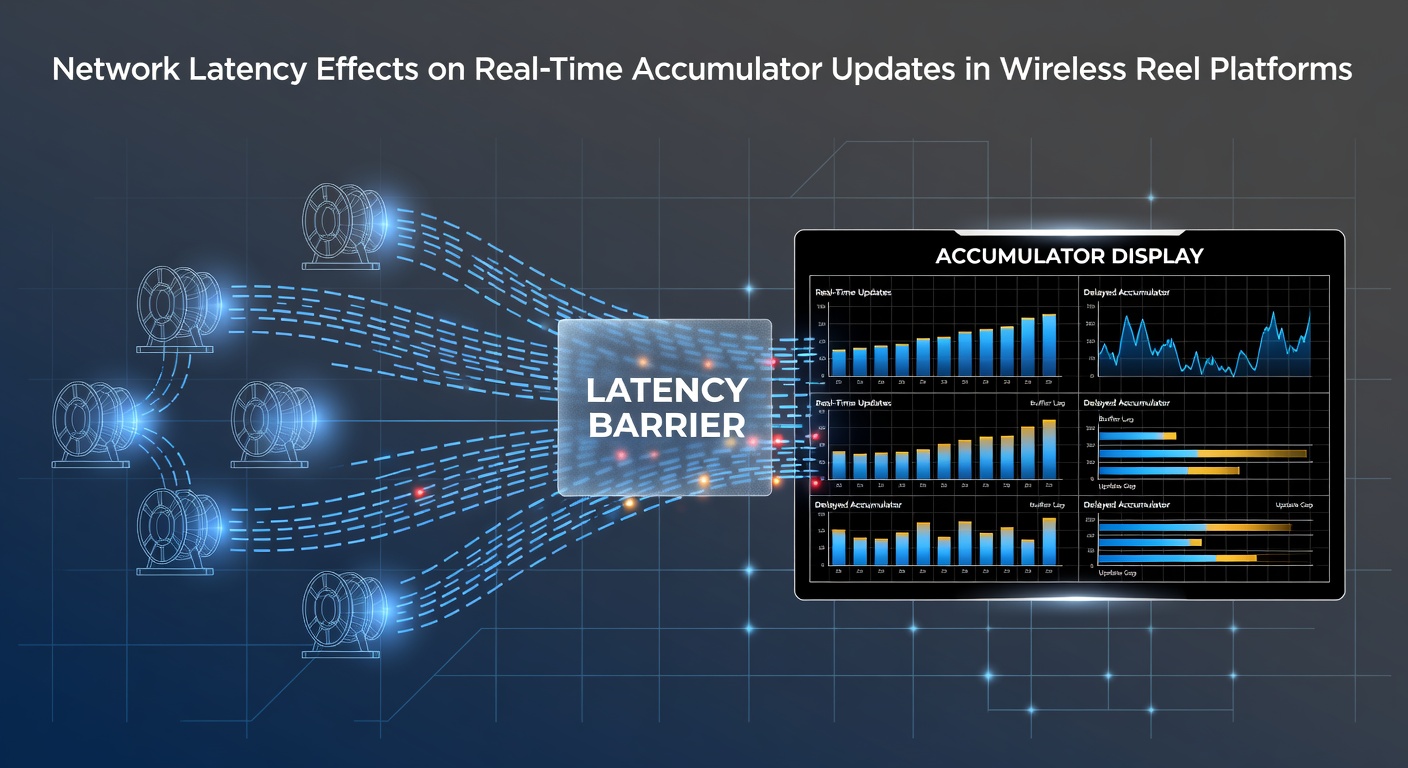
Network latency plays a direct role in how accumulators update across wireless reel platforms, where progressive prize pools rely on continuous synchronization between servers and connected devices. Data packets traveling through mobile networks encounter variable delays that stem from signal strength, congestion, and routing paths, and these interruptions alter the timing of jackpot increments visible to users. Studies on mobile broadband performance show average latencies ranging from 20 to 80 milliseconds in urban 5G deployments, while rural connections often exceed 150 milliseconds according to measurements collected by communications authorities in multiple regions.
Core Mechanics of Accumulator Updates
Accumulators in reel platforms function as centralized counters that increment with each wager placed on linked machines or applications, and real-time systems push these changes to client interfaces within milliseconds of each transaction. Wireless connections introduce jitter and packet loss that disrupt this flow, causing delayed displays of current pool values or mismatched totals between the server record and the user view. Researchers tracking gaming network traffic have documented instances where latency spikes above 100 milliseconds produce visible desynchronization lasting several seconds, during which players may see outdated figures until the next update packet arrives.
Wireless protocols such as LTE and 5G NR handle data prioritization differently, and reel platforms must accommodate these variations when transmitting small but frequent accumulator messages. Packet queuing at base stations during peak hours compounds the issue, whereas edge computing nodes placed nearer to users reduce round-trip times by routing updates through localized servers rather than distant data centers. Industry reports from the International Telecommunication Union highlight how 5G network slicing allocates dedicated resources for low-latency applications, yet adoption in gaming infrastructure remains uneven across operators and regions.
Measured Impacts on Synchronization Accuracy
Empirical data collected from test environments reveal that latency above 50 milliseconds increases the probability of accumulator drift, where the displayed total lags behind the authoritative server value by one or more increments. In one documented case involving a multi-site progressive network, a 120-millisecond average delay produced cumulative discrepancies exceeding 3 percent of the pool total during high-traffic periods, requiring manual reconciliation processes after the fact. Observers note that such drift becomes more pronounced when multiple wireless hops occur between the device and the central server, each adding processing and transmission overhead.
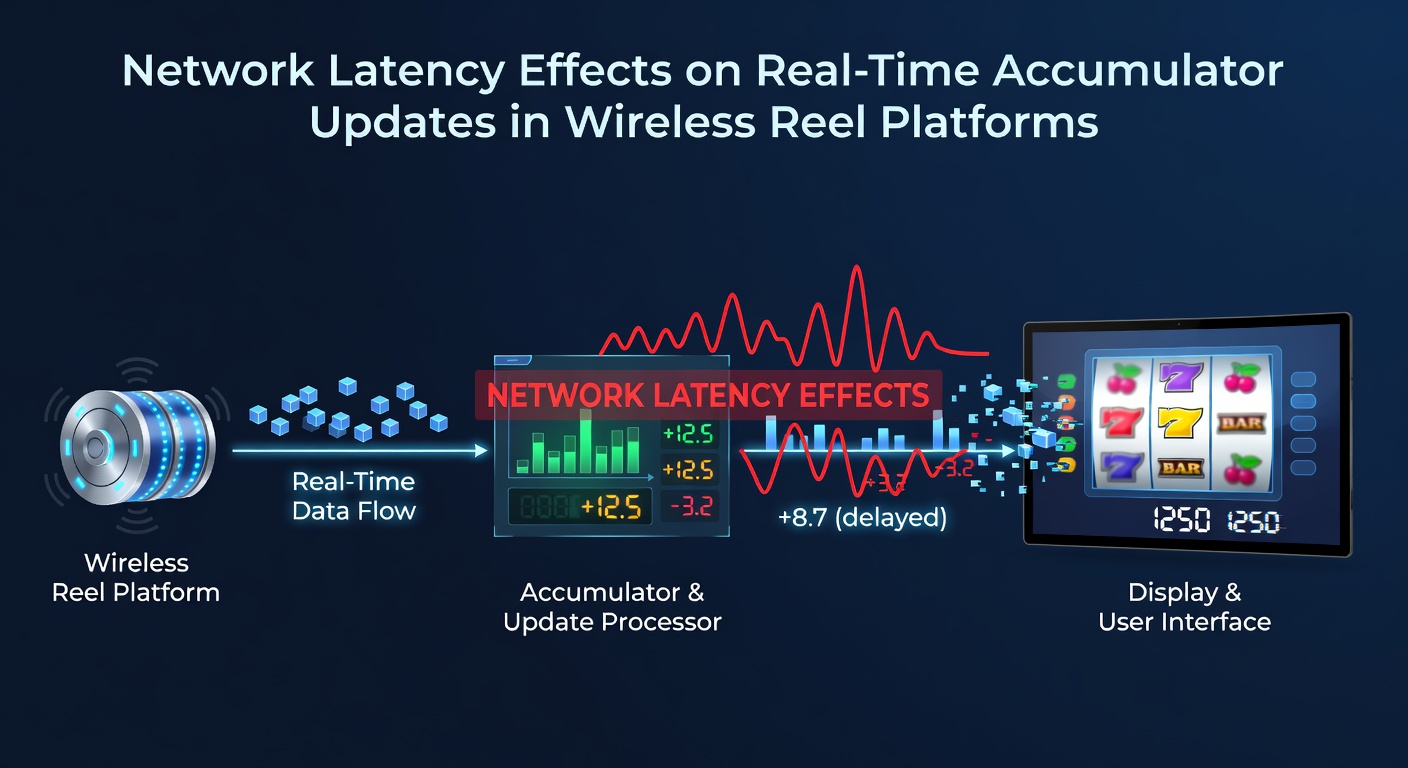
Packet loss compounds latency effects because lost update messages force retransmission cycles that extend the time before the client receives corrected values. Measurements from Australian communications research indicate retransmission rates climb sharply when signal-to-noise ratios drop below acceptable thresholds, particularly in moving vehicles or crowded venues where handoffs between cell towers occur frequently. Those who analyzed similar datasets in North American markets found comparable patterns, with urban 4G networks showing higher variability than emerging 5G standalone deployments equipped with ultra-reliable low-latency communication features.
Factors Influencing Delay Variability
Device hardware capabilities, operating system scheduling, and application-level buffering all interact with underlying network conditions to shape the final latency experienced by accumulator updates. Background processes on mobile devices can delay packet processing by several milliseconds, while application developers implement predictive algorithms that estimate pool growth during brief outages to maintain apparent continuity. European research consortia examining 5G-enabled entertainment services have recorded that predictive estimation reduces perceived disruption, although accuracy depends on stable historical traffic patterns and consistent wager rates across the network.
Geographic distribution of servers further influences outcomes, because platforms using centralized data centers face longer propagation delays than those leveraging regional edge nodes. June 2026 saw several operators announce expanded edge deployments specifically targeting gaming traffic, following performance benchmarks released by Canadian spectrum regulators that compared latency distributions across different network architectures. These benchmarks demonstrated measurable reductions in tail latencies when edge processing handled accumulator traffic locally rather than traversing national backbones.
Technical Approaches to Latency Mitigation
Developers address latency through a combination of protocol optimizations, client-side smoothing techniques, and network-aware update throttling. WebSocket connections maintained over QUIC transport protocols allow faster recovery from packet loss compared with traditional TCP, while delta encoding transmits only the incremental change rather than the full accumulator value. Academic papers published through IEEE conferences detail how these methods cut average update times by 30 to 40 percent in controlled wireless testbeds simulating variable signal conditions.
Platforms also incorporate fallback mechanisms that switch to lower-frequency polling when persistent latency is detected, trading immediacy for reliability. Regulatory frameworks in several jurisdictions require transparent disclosure of synchronization tolerances, ensuring operators maintain audit logs that record both server-side increments and client-side display times for dispute resolution. Data from these logs has informed subsequent refinements in buffer sizing and timeout parameters used by multiple providers.
Conclusion
Network latency remains a persistent variable that shapes the reliability of real-time accumulator updates in wireless reel platforms, with documented effects ranging from minor display lags to measurable synchronization drift under adverse conditions. Continued deployment of 5G capabilities, edge computing resources, and optimized transport protocols offers measurable improvements, as evidenced by performance data gathered across multiple regulatory and research environments. Operators continue to refine their architectures in response to these findings while maintaining compliance with technical standards that govern data accuracy and auditability.